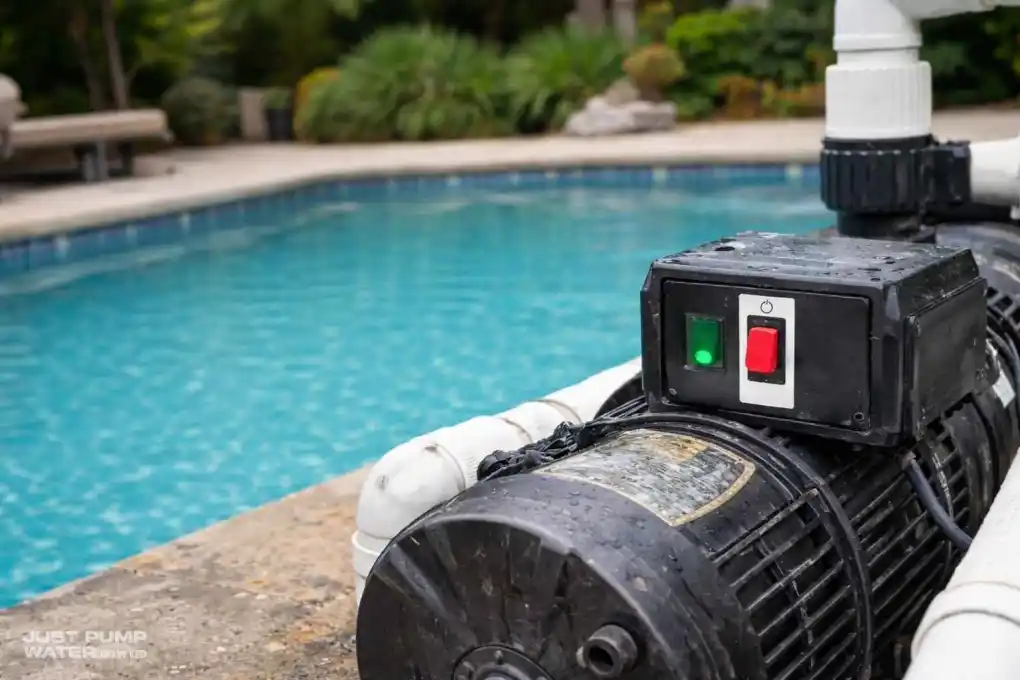
If your pool pump suddenly stops working, it can throw everything off. Water stops circulating, debris builds up, and your pool can quickly turn cloudy or even green.
If you’re searching why your pool pump is not working, you’re likely dealing with one of the most common pool issues homeowners face. The good news is that many pump problems can be identified early—and fixed before they get worse.
Your pool pump is responsible for moving water through your entire system. It circulates water through the filter, distributes chemicals, and keeps everything balanced.
When your pump isn’t working:
That’s why it’s important to address pump issues as soon as possible.
There are several reasons your pool pump may stop working. Some are simple fixes, while others may require professional pool equipment repair.
Sometimes the issue is as simple as a tripped breaker or disconnected power source. Always check your power supply first.
Debris can block water flow and cause your pump to struggle or shut down.
A clogged system can:
Air entering your system can prevent your pump from working properly. This often shows up as bubbles in the return jets.
Over time, your pump motor can wear out. If you hear grinding or loud noises, this may be the issue.
If your pool water level is too low, your pump may not be able to pull in enough water to function correctly.
Understanding these causes can help you determine why your pool pump is not working.
Not all pump issues result in a complete shutdown. Sometimes the signs are more subtle.
Look out for:
These are all indicators that your pump may need pool pump repair.
Before calling for help, there are a few basic things you can check:
If the issue continues after these steps, it’s likely time for professional help.
Delaying repairs can lead to bigger issues in your pool system.
Ignoring pump problems can cause:
Addressing the issue early helps keep your pool running efficiently.
If you’ve tried basic troubleshooting and your pump still isn’t working, it’s best to call a professional.
A pool equipment repair service can:
Getting expert help ensures the issue is fixed correctly the first time.
The best way to avoid pump problems is through consistent maintenance.
With weekly pool service, your system is:
This proactive approach helps prevent unexpected breakdowns and costly repairs.

A working pool pump is essential to keeping your pool clean and running smoothly. With proper maintenance, early detection, and reliable service, you can avoid unexpected issues and keep your pool in top condition. Bluewater Pool Care helps ensure your system stays efficient so you can enjoy your pool without interruptions.